
Monday, June 30, 2025


Top 10 Badass Goku Moments

Power up and join us as we explore the most epic moments that solidified Goku's status as a true warrior! From his first Super Saiyan transformation to his mastery of Ultra Instinct, we'll relive the times when Goku pushed beyond his limits and left us in awe. Our countdown includes Goku's iconic speech to Frieza, his selfless sacrifice against Cell, and his jaw-dropping battles against formidable foes like Beeru

Theodicy, Lamentations, and God's Glory

Yesterday, I spoke at my church and today, I am turning it into a blog post with the video at the end. The text here will vary in that it will have more details that I did not have time to speak. We will be looking at something I have written about in the past. Today we are going to be looking at theodicy from the Biblical lens of what Lamentations are and what they are not. Theodicy is a branch of theology attempting to make sense of our lived reality of suffering and how God relates to it. The questions raised in theodicy are not new or inappropriate or irrelevant. I can prove that because God spends so much time on it in scripture from many perspectives. The whole book of Habbakuk is a Theodicy - a conversation with God about suffering - real human suffering. I am going to resist the urge to dive into that because that is not what I am here to write about now. The questions that arise boil down to one: “Why Me, Lord?” The question is sometimes stated in this way “If God is so good and loves me, why am I suffering?” I am going for the underlying problem today. It isn’t just that people suffer and people are suffering injustice. It all hits differently when you are watching other people go through things versus when it is yourself. The issue becomes way more personal and a desire for an answer can be consuming. It is an existential question. The kind of question that could keep one awake at night.
Before we dive in, take a moment to consider how much God loves us. He not only gives us answers in scripture but from a couple of different perspectives. As I study this, I see two approaches - an intellectual one and an emotional one. There may be others but we are going to focus on these two in general and then dive into one. There is not a one-size fits all solution to the puzzle because it depends on the sufferer and the suffering for what comforts most. The intellectual approach is more philosophical and clean. I mean no pesky feelings to get in the way and for me, way easy to see God’s point of view as God reveals it. In the past when I have preached on this, I had only studied the intellectual side. I mean that is the easy one and for me personally I find it comforting 95% of the time. The reminder of God’s sovereign omnipotent power is comforting because of the faith that no matter what happens or what we see, we can trust that God not only has it all under control, but that he is working it out for us. For example, Roman 8:28-29 says:
Romans 8:28-29
New International VersioN
28 And we know that in all things God works for the good of those who love him, who[a] have been called according to his purpose. 29 For those God foreknew he also predestined to be conformed to the image of his Son, that he might be the firstborn among many brothers and sisters.
Now, I know I do not have all day, so we are not going to mine that for more than to say God is in control of everything and uses all things for our good. Full stop. This passage summarizes what God is doing in our lives and why he is doing it. The “how” God does it is not going to look the same for any two believers but without a single outlier includes suffering. God loves us too much to leave us as we are. God’s purpose is to make us like Christ. All of us are different and not Christ-like. That is why we must change. Unfortunately change is sometimes painful and not fun. We have to do and experience things that we would have not chosen to live through but coming out the other side means we will be more Christ-like. Ultimately that is worth it - whatever we have to go through - if glorifying God is the result. Much more could be said, but now we need to get to the core of today.
Up until now in my life, I would kind of stop here. Go deeper into what the scriptures are saying about why God is justified to allow suffering. I state it that way because in scripture and in my lived experiences I have seen God change lives so that suffering was either done away with or like what we like to call a “happy ending”. But as I have gotten older and experienced more life, the conclusion that pain is inevitable because of sin and the world’s fallenness (yes even natural disasters) does not always work out the way we want. What do you do when you pray and God says “No”? What happens when you are in the middle of your nightmare scenario and you have no way out or forward? Let’s be honest, you wanna slug whoever it is that quotes Romans 8 back to you. What’s different? It hits so close to home that your emotional state is flipped upside down and sideways. Added to that, God does not owe us an explanation for how he does anything. No where in the Book of Job does Job get an explanation for why his life blew up in his face. Instead what he got was a deeper and meaningful relationship with God. So what we are going to focus on right now is what you and I are supposed to do in those kinds of situations. I use the term “supposed to” because when you got nothing and no where to go what do you do?
This takes us to the point of Lamentations. The Book of Lamentations is a collection of writings attributed to the prophet Jeremiah detailing his processing of the fall of Jerusalem in 586 BC. You get real raw emotion- fear, anger, despair - all turning into hope basesd in relationship and faith in God. A lamentation is described as a poem or song that expresses sorrow and pain as a cry to God. I do not just want to focus on the Book of Lamentations today but instead discuss how laments are a God-given tool for processing pain and trauma. There are several examples of laments in the Bible that are not in the Book of Lamentations. For example several Psalms and some of the Book of Job are great examples of Lamentations. Let’s circle back to how laments help deal with suffering. Godly laments have several features that distinguish them from what psalms are in general. All laments could be considered psalms but not all psalms are not laments. In the interest of time, I will not cover all the different types of psalms but for today let’s look at what makes a psalm a lament.
Laments have the following characteristics:
* Core Emotion: Sorrow, grief, distress, pain, confusion, sometimes anger or accusation.
* Typical Structure:
* Address to God: A direct cry to Yahweh (e.g., "O Lord," "My God").
* Complaint: Articulation of the problem – suffering, injustice, illness, enemies, God's apparent absence, or delay in intervention. This can be very raw and questioning.
* Petition/Plea for Help: A specific request for God to act and deliver.
* Expression of Trust/Confidence: A shift, often at the end, from despair to a reaffirmation of faith in God's character, power, or covenant faithfulness.
* Vow of Praise: A promise to offer thanksgiving or praise once deliverance is granted.
* Purpose: To process suffering and injustice in a faithful manner, bringing raw emotion directly to God, and ultimately moving towards renewed trust. They are a means of honest dialogue with God in the midst of adversity.
* Examples: Psalm 13, Psalm 22, Psalm 88, Psalm 74.
Notice how the point of a Biblical lament is to reach out and converse with God without pretense or holding anything out. If the lamenter is angry with God, it comes through in the text. If the lamenter is afraid he or she comes forthrightly and boldly to God. We often feel like hiding our emotions and pain from others due to fear of rejection or hurting others. But God can take it. God wants us to come to him. We can go to him carrying our brokenness to him and he will not reject or condemn us. God wants all the smoke. God’s not scared. God’s not shocked. You think your life is unfair? Tell him about it. Let him help you. Do you feel abandoned and rejected? Join the club with David, Job, Habakkuk, Paul, Jeremiah, and so many others. God can take our pains and turn it into something way more. That is what Romans chapter 8 is about. The whole Bible is about how God did that. No where in all the scripture does it say that God struck someone down dead after a lament. We do see comfort. We do see re-alignment. We do see re-direction. God can do the same for you and I today, and oh boy I need Him. We don’t have to pretend everything is okay. We don’t needd to worry that our ugly cry will make God run away from us.
So is there an emotional theodicy for us? Yes. It’s not about avoiding, fighting,ignoring, or fixing the situations or circumstances. The bigger the mess it is the less we can do to fix it under our own power. Fortunately, it is not just us. Feel what you feel and then take it to the Lord. He does care. So when we see life blow up and cause us more suffering than we ever thought possible, God wants us to turn to Him. Trust Him. We can lean on God because he can take weight and we have no other or better option because we need no other.
Friday, June 27, 2025
Breathing Technique to Kill Stress

Save and share with your friends🐽👇👇👇 pic.twitter.com/NQqK92mLmK
— Cardio Arena (@CadioArena) June 26, 2025
Wednesday, June 25, 2025
The Proverbs Man

Before anyone asks, No, I did not copy the graphic by manually typing the concepts into this post. Instead, I joined the 21st Century and prompted Microsoft Copilot to print out the concept headers and the full corresponding verses. Saved a lot of time.
Here's the expanded list with each principle from Proverbs followed by the full verse (NIV translation):
Knows the power of gentle words
“The soothing tongue is a tree of life, but a perverse tongue crushes the spirit.” — Proverbs 15:4Keeps his cool in chaos
“A heart at peace gives life to the body, but envy rots the bones.” — Proverbs 14:30Knows when to walk away
“Do not speak to fools, for they will scorn your prudent words.” — Proverbs 23:9Listens more than he speaks
“Even fools are thought wise if they keep silent, and discerning if they hold their tongues.” — Proverbs 17:28Disciplines himself
“Whoever loves discipline loves knowledge, but whoever hates correction is stupid.” — Proverbs 12:1Avoids sensual traps
“Do not lust in your heart after her beauty or let her captivate you with her eyes.” — Proverbs 6:25Hates bribery and corruption
“The wicked accept bribes in secret to pervert the course of justice.” — Proverbs 17:23Does not mock others
“Whoever mocks the poor shows contempt for their Maker; whoever gloats over disaster will not go unpunished.” — Proverbs 17:5Emotional restraint
“Fools give full vent to their rage, but the wise bring calm in the end.” — Proverbs 29:11Does not boast about the future
“Do not boast about tomorrow, for you do not know what a day may bring.” — Proverbs 27:1Fear of the Lord
“The fear of the Lord is the beginning of knowledge, but fools despise wisdom and instruction.” — Proverbs 1:7Corrects others gently
“Whoever rebukes a person will in the end gain favor rather than one who has a flattering tongue.” — Proverbs 28:23Values reputation over riches
“A good name is more desirable than great riches; to be esteemed is better than silver or gold.” — Proverbs 22:1Guards his heart
“Above all else, guard your heart, for everything you do flows from it.” — Proverbs 4:23
Would you like this formatted into a printable PDF or editable Google Doc next? I can also add journaling prompts or reflection questions if that would help deepen your study.
Tuesday, June 24, 2025

Exegete This: How to Forgive

Without going into a lot of detail, I have been going through a lot of personal setbacks and pain that have forced re-examination and perspective pivots. It appears that this is why God allowed my life to blow up in my face as it has. Fortunately, it is an opportunity to learn about forgiveness. It is a chance to see the love of God from a new vantage point. What I have found out that the deeper the suffering resulting from other people's decisions and actions, the harder it is to forgive the offense and continue loving the way God commands us to love others. I thought that I was way better at forgiveness than I truly am. Turns out that it just take the right offense from the wrong person to make it difficult for me to overlook. Of course God demands deeper and greater love from us. This has forced me to consider how what we call "boundaries" come into the discussion. Does God even have boundaries? Does God demand that we forgive any and every offense and harm done to us without limit? Is this a "Suck it up, buttercup" scenario in our lives? Is there true forgivness if there is no reconcilliation or restoration? What does God say? The above graphic lists scriptures that address a lot of great things about how to forgive others, but invites a larger discussion of what forgiveness even is and how it applies to our lives. So before I exegete the scriptures in the graphic, we need to define "forgiveness" and then describe what characterizes Biblical forgiveness.
"Forgiveness" is both removing blame and condemenation. Forgiving somone does not mean ignoring the harm or pretending that the offense did not hurt or did not happen. It certainly is not stuffing it down and not dealing with it. Forgiveness is best illustrated by God. It was foreshadowed by the sacrificial system in ancient Israel, and culminates in the propiatory sacrifice Jesus made on the cross. Any discussion of what Forgiveness is and what it is not can only best understood in what Jesus did. You cannot love someone and refuse to forgive them simultaneously. It will not work. I used Microsoft Copilot to summarize the Hebrew and Greek words that communicate the concept of "forgiveness".
In the Bible, *forgiveness* is a rich and multifaceted concept, deeply rooted in both Hebrew and Greek thought. Let’s break it down using the original languages:
Hebrew (Old Testament)There are three primary Hebrew verbs used to express forgiveness:1. סָלַח (sālaḥ) – This is the most direct term for divine forgiveness. It’s used exclusively of God forgiving sins (e.g., Leviticus 4:20). It implies a gracious act of releasing someone from guilt.2. כָּפַר (kāpar) – Often translated as “to atone” or “to cover,” this word is tied to the sacrificial system. It reflects the idea of covering sin so that it no longer incurs divine wrath (Leviticus 16:30).3. נָשָׂא (nāśā’) – Literally “to lift” or “to carry away.” It conveys the image of sin being lifted off or removed from the sinner (Psalm 32:1).Together, these words paint a picture of God not only pardoning sin but actively removing its burden and restoring relationship.
These three Hebrew words definitely adds something to the discussion. What is missing from the idea is the idea of erasure. The sin, the harm, the offense, did not disappear. It is not ignored. There is no pretention of innocence. Instead, the sin is expatiated. The cost incurred by the act or thought is paid and reparation and restoration is made. No more guilt. No more condemnation.
Greek (New Testament)The Greek language offers equally profound insights:1. ἀφίημι (aphiēmi) – This verb means “to send away” or “to let go.” It’s the most common term for forgiveness in the New Testament, used when Jesus forgives sins (Matthew 6:12). It implies a release from obligation or debt.2. ἄφεσις (aphesis) – The noun form of *aphiēmi*, meaning “release” or “remission.” It’s used in verses like Luke 4:18, where Jesus proclaims “release to the captives,” linking forgiveness with liberation.3. χαρίζομαι (charizomai) – This verb emphasizes graciousness and is often used in the context of interpersonal forgiveness (Ephesians 4:32). It reflects the idea of freely granting pardon as an act of kindness.
Forgiveness in both the old and new covenants is not about just our relationship between God but also interpersonal relationship with one another. And using Jesus as our example of what relationship restoration looks like, we have to ask does forgiveness mean a restoration of a broken relationship? It depends on what "restoration" means. Does one mean that the relationship is restored to the same closeness and quality as it was before the breach or break? Does this mean trust is restored? Given the nature of Jesus' forgiveness of our sins, the forced conclusion is not that forgiveness restores a relationship without change. Our relationship with God is not just established by his forgiveness of us but it is deepened and closer. Therefore when we forgive one another, it does not mean that every relationship must neccessarily go back to the way things were before the situation. The point is that the relationship is back in balance and in accordance with God's will. Both sides are changed by Biblical forgiveness. The transgressor and the transgressed become more Christ-like. God heals both. There can be no healing without forgiveness.
As far as God is concerned, we are expected to forgive others but we do not get to decide on our own what it will look like. When Joseph forgave his brothers for selling him into slavery, the harm done to him did not disappear. The twenty plus years of suffering he endured did not magically erase from reality, but God restored Joseph's relationship with his family and he let go of resentment and revenge, The reason I wanted to go into the scriptures above is because they do give legit help in forgiving others. It is painfully obvious to see we must forgive each other. It is literally a command.
Matthew 6:14-16New International Version
14 For if you forgive other people when they sin against you, your heavenly Father will also forgive you. 15 But if you do not forgive others their sins, your Father will not forgive your sins.
This is important. And God is serious. So one may ask: How do I do it? How do I forgive the unforgivable? The Bible has answers. These answers work for serious harms and for trivial ones alike.
We must pray. Sometimes we need God's power to forgive others especially when we are really hurt and cannot do it on our own. Instead of commanding that we forgive others, God will help us to do that.
Matthew 5:44New International Version
44 But I tell you, love your enemies and pray for those who persecute you,
When this feels too much to ask, I am reminded that Jesus forgave the men who crucified him on the cross, while they were nailing him to it (Luke 24:34).
Of course, God really doubles down on this being about Him and not about ourselves. The next thing is to love people even if they do not care about you. Do good to them even if they would not do it to you. Romans 12:9 calls us to do good not just don't do bad.
You cannot forgive a person and always bad mouthing them too. Talking against them in judgment and condemnation only feeds your own anger and makes forgiveness more difficult. Look at Romans 12:14,
Romans 12:14New International Version
14 Bless those who persecute you; bless and do not curse.
Honestly? Really? That is why we need God's help and God will help us do that. And back to prayer.
Sometimes when we are hurting and angry we do not want relief. We want revenge. We want the ones who hurt us to feel our pain that we blame them for causing. Sometimes we don't want them to get what they gave us. We want them to suffer. Romans 12:17-19 takes this attitude off the table if we want to be Christ-like. We have to let go of the desire to hurt them.
I know I struggle with the next one. It is so tempting to enjoy the suffering of those who hurt you. It honestly, in the short term make the pain of what they did less. The problem is that if you do not forgive, you will never heal. You will never move forward. You will never be able to grow past that pain, even if they move on and grow past it themselves. The wisdom in Proverbs 24:17 tells us that we can forgive others by not gloating over their pain.
Luke 6:31 is one of those often quoted scriptures about treating others as you want to be treated. It is the Golden Rule for good reason. But look at how if facilitates forgiveness. We all screw up and make mistakes. Do you want your mistakes and errors to define you? To be condemned and judged? I do not. So God tells us not to do that to others.
And the last point is a hard one. I have been dealing with frustration, depression, and anxiety. The TRUTH is that I get stuck in shoulda and woulda and not letting forgiveness eventually free me. This step is very helpful: Let go of the past. Isaiah 43:18-19 is a promise. Not just that we must let the pass go but that God will replace it with better.
Isaiah 43:18-19New International Version18 “Forget the former things;
do not dwell on the past.
19 See, I am doing a new thing!
Now it springs up; do you not perceive it?
I am making a way in the wilderness
and streams in the wasteland.
Monday, June 23, 2025
The global capitalist system was built by exploiting Africa
From the first ships that docked on African shores in the 15th century, the African continent has been the breeding ground for imperialism.
— African Stream (@african_stream) June 23, 2025
The global capitalist system was built by exploiting our resources and people, with Europeans first seeking out gold in Africa. Europeans… pic.twitter.com/QViGEUThBb
Quote of the Day: Voddie Baucham
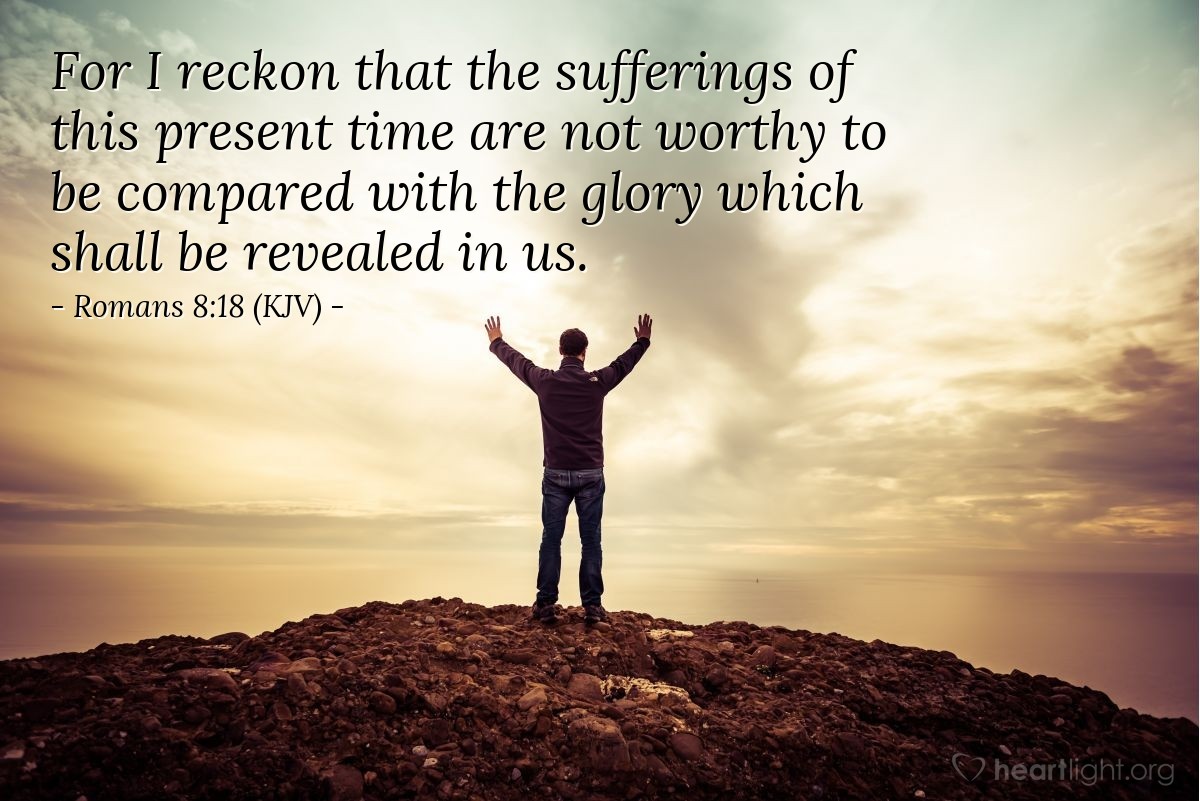
Whatever you're suffering, remember it's temporary, and it's not worth comparing to that which lays ahead of you. pic.twitter.com/WWcyPhSnh7
— Voddie Baucham Sermon Clips (@VoddieClips) June 5, 2025
Exploring Africa History
@54facesofafrica Exploring Africa History
♬ original sound - 54facesofafrica
Saturday, June 21, 2025
Africa’s Sad reality which is enabled by corrupt government
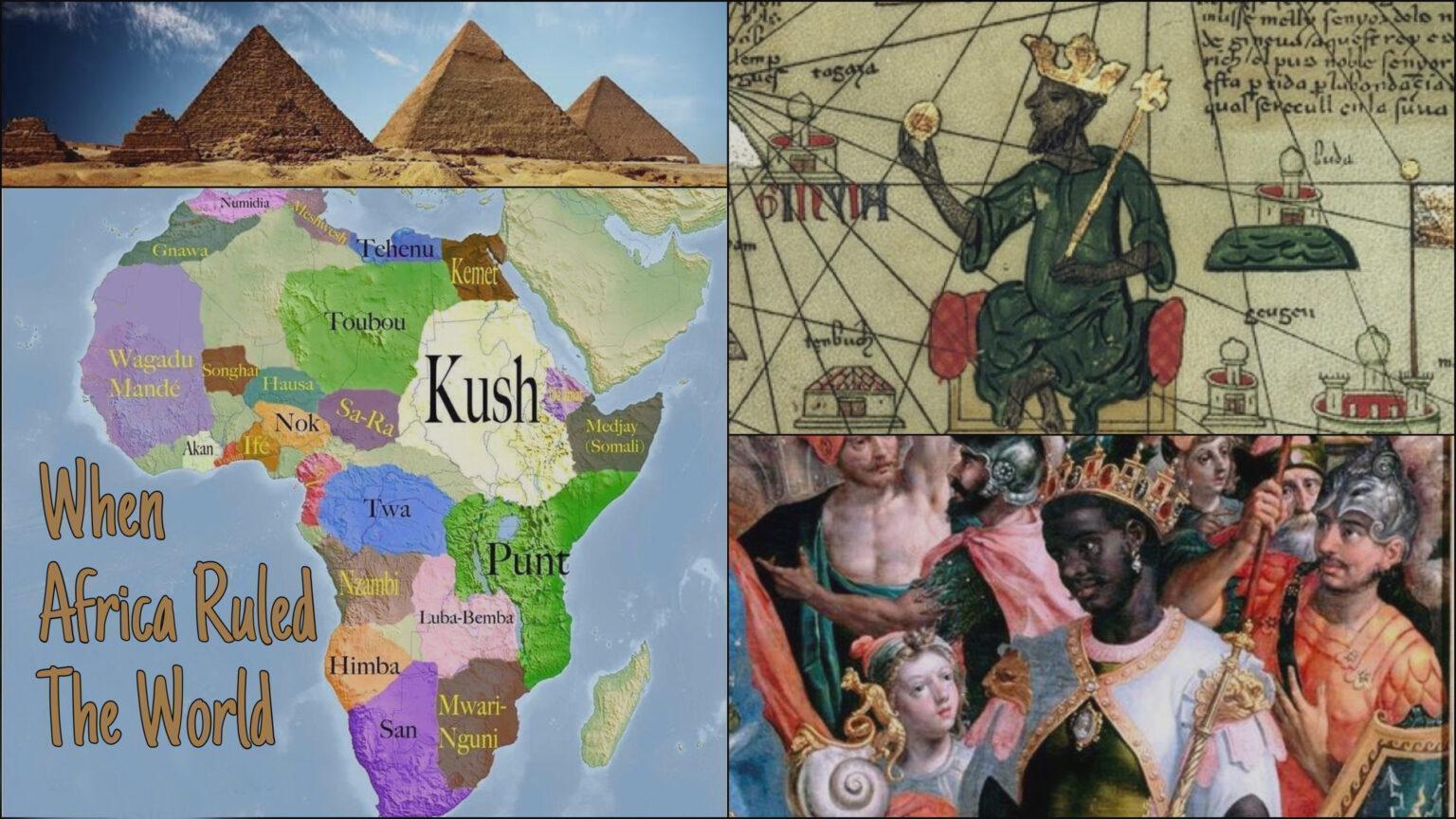
Africa’s Sad reality which is enabled by corrupt government. pic.twitter.com/06yFoPstyW
— Typical African (@Joe__Bassey) June 21, 2025

Friday, June 20, 2025
Quote of the Day: Julius Malena

"We are not Nelson Mandela. We are not bound by the deals he made." - Julius Malema pic.twitter.com/AVNQFpWmCX
— Penuel The Black Pen (@GodPenuel) June 1, 2025
Quote of the Day: Arikana Chihombori

“It time to reclaim our natural resources for the benefit of our people…. President Trump is saying America first, African leaders need to say Africa first”.- Dr Arikana Chihombori. pic.twitter.com/6tZaScHOrq
— Typical African (@Joe__Bassey) June 1, 2025
Thursday, June 19, 2025
Quote of the Day: Fred Hampton

Fred Hampton on being a proletarian pic.twitter.com/31V8ZuNORK
— communist history vids ☭ (@commsurreallism) June 1, 2025
5 European cities built on the backs of enslaved African people.

5 European cities built on the backs of enslaved African people.
— 🟥SANGO'S✊🏿WRATH🟩 (@DetroitBabalawo) June 18, 2025
📽️ Tiktok: globalafricanconnection pic.twitter.com/p8scTdOCLf
Wednesday, June 18, 2025
Quote of the Day: Thomas Watson

“God does not justify us because we are worthy, but by justifying us make us worthy.” -Thomas Watson
Tuesday, June 17, 2025

Monday, June 16, 2025
Quote of the Day: Voddie Baucham
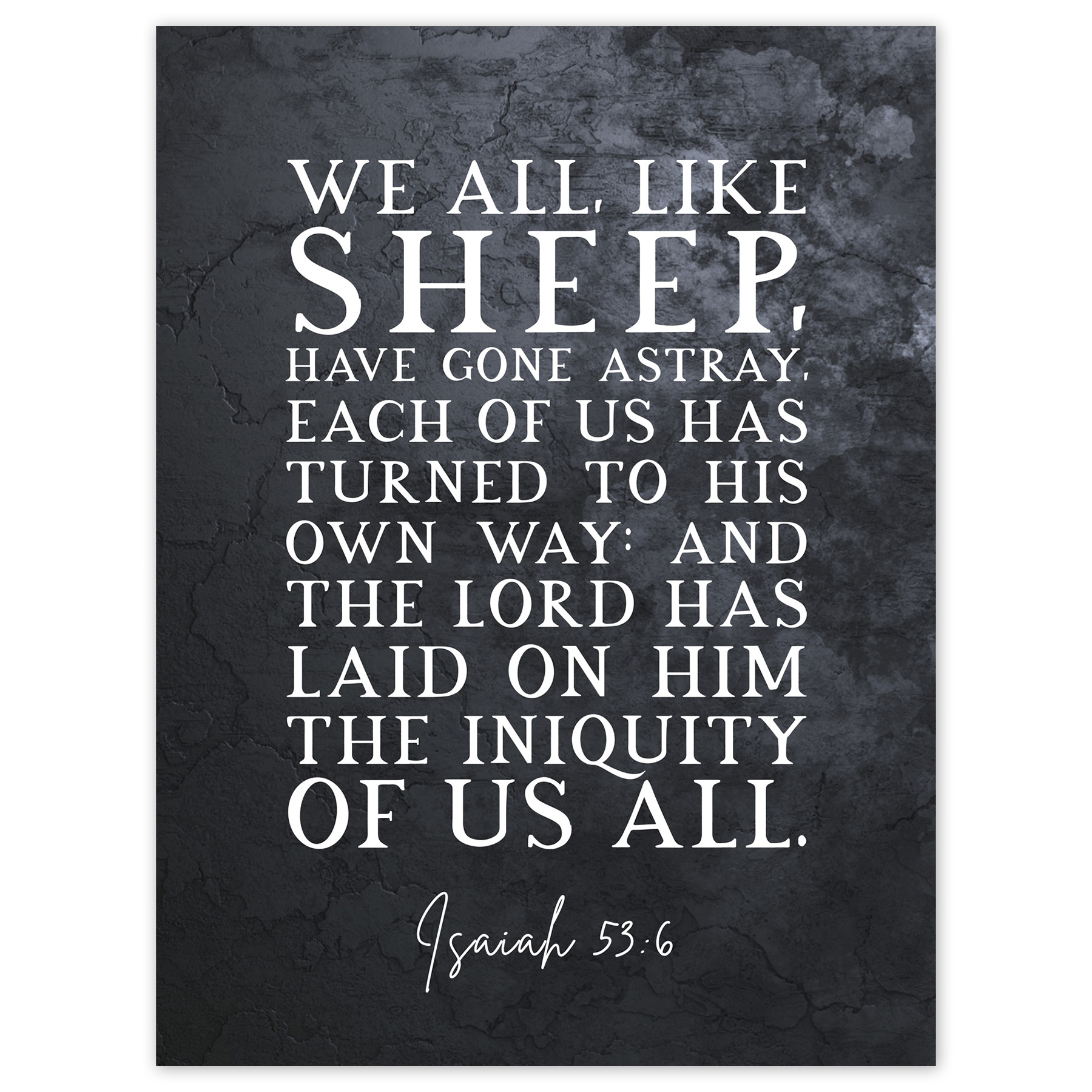
“All like sheep we’ve gone astray … we’re ruined! But what happened? God made Him to be sin who knew no sin, so that in Him we might become the righteousness of God.” -Voddie Baucham pic.twitter.com/WLOSsr8gFb
— 𝕊𝕠𝕝𝕒 ℂ𝕙𝕒𝕕 🎚️ (@sola_chad) May 26, 2025
Sunday, June 15, 2025
Quote of the Day: Martin Luther

If someone feels love toward the Word of God and willingly listens and talks and writes and thinks of Christ, this is not the product of human will or reason but is the gift of the Holy Spirit.
—LutherSaturday, June 14, 2025

Friday, June 13, 2025
Quote of the Day: Herman Bavinck

“Justification is the doctrine in which the church stands or falls. Either we must do something to be saved, or our salvation is purely a gift of grace.”
-Herman BavinckBiblical Submission in Marriage

Correct meaning of bibilical submission pic.twitter.com/wJdSX9bmZB
— De Christian Life (@DeChristianLife) June 13, 2025
Thursday, June 12, 2025
Quote of the Day: Martin Luther

-Martin Luther
Wednesday, June 11, 2025
Quote of the Day: Netumbo Nandi-Ndaitwah

“We cannot to export our resources”.- Netumbo Nandi-Ndaitwah President of Namibia 🇳🇦 pic.twitter.com/5NXvcn3ruM
— Typical African (@Joe__Bassey) May 24, 2025
Tuesday, June 10, 2025
How long is a day on Each Planet?

How long is a day on Each Planet?
— Interesting STEM (@InterestingSTEM) June 10, 2025
pic.twitter.com/TwYkjVAxPL
Veo-generated vlogs

Veo 3 videos are taking over the timeline.
— Justine Moore (@venturetwins) June 10, 2025
And the viral AI vlogs featuring Stormtroopers, Bible characters, and Yetis are shockingly easy to make.
I'll teach you (1) where to generate them, and (2) how to prompt the model 👇 pic.twitter.com/C0X7HZrme8
IT JUST GOT CHEAPER FOR AI VIDEO!
— Murray Frost (@MurrayFrost_) June 10, 2025
I've refined the Selfie AI Video Prompt to get accurate results 99% of the time. Want the prompt and tutorial? Comment PROPMT and I'll send it to you and show you IN DETAIL how I was able to get results like this
👇👇 pic.twitter.com/sArPu412xc
Riri Williams - Iron Heart

When Riri Williams set out to build her armor, she wanted to make something iconic.
— Marvel Entertainment (@Marvel) June 10, 2025
Follow the evolution of Riri's #MarvelComics designs, from her first suit to the armor that cemented Ironheart as a leading hero of her generation 🧵 pic.twitter.com/aezN24XDEo
Quote of the Day: Arikana Chihombori

If President Trump does not want a relationship with Africa, Africa shouldn’t be begging for it”.- Dr Arikana Chihombori. pic.twitter.com/x3eowz5YnR
— Typical African (@Joe__Bassey) May 24, 2025
Monday, June 9, 2025

Roman Catholic Solteriology

The Roman Catholic plan of salvation is completely unbiblical. pic.twitter.com/xyajYsQYMn
— 𝕊𝕠𝕝𝕒 ℂ𝕙𝕒𝕕 🎚️ (@sola_chad) June 9, 2025
Sunday, June 8, 2025
The Bible References Itelf

With 63,000 cross references and over 300 prophesies about Jesus that were fulfilled over 700 years after they were written, how could anyone doubt that the Bible is true? pic.twitter.com/oPCa7NDv7u
— 𝕊𝕠𝕝𝕒 ℂ𝕙𝕒𝕕 🎚️ (@sola_chad) June 8, 2025
Quote of the Day: Ibrahim Traore

"Africa is not your experiment, your puppet, your warehouse of raw materials...Africa will not kneel." pic.twitter.com/jyTcsGMuI7
— Kentah Gwanjez (@GWANJEZ) May 21, 2025
Saturday, June 7, 2025
Quote of the Day: Neil deGrasse Tyson

When a Government is scientifically illiterate, but doesn’t know it, then its actions (or inactions) can be a recipe for the dismantling of an informed and enlightened Democracy. #ScienceMatters
— Neil deGrasse Tyson (@neiltyson) May 22, 2025
Friday, June 6, 2025
Quote of the Day: Jasmine Crockett

BREAKING: Rep. Jasmine Crockett uses a ruling from Trump's Supreme Court to make a point on due process. "No person shall be removed from the United States without opportunity at some time to be heard... I don’t even like this Supreme Court."
— Really American 🇺🇸 (@ReallyAmerican1) May 21, 2025
Brilliant.🔥pic.twitter.com/l35UQ2NwrV

Subscribe to:
Posts (Atom)