This is why they manipulated African history. pic.twitter.com/c2d81IBi35— Typical African (@Joe__Bassey) December 5, 2024
Thursday, December 12, 2024
Quote of the Day: John Henrik Clarke


Wednesday, December 11, 2024


Tuesday, December 10, 2024
Africa Before the Colonizers
AI video of Nubia and Egypt before the invaders.
— African Hub (@AfricanHub_) December 10, 2024
Your thoughts on this pic.twitter.com/9wAus2NIMX
When and How Europeans Became "White"?
"I find that most white people have no idea how they came to identify as white..." pic.twitter.com/fl7P03EOKX
— Kentah Gwanjez (@GWANJEZ) December 10, 2024
Quote of the Day: Carter G. Woodson

"Black people have been miseducated into confusing their interests with those of the dominant society."
– Carter G. Woodson
Nikki Giovanni and James Baldwin, 1971
that time Nikki Giovanni gagged James Baldwin… pic.twitter.com/Mpr4YGmDi1
— THAT GEM. (@ROZtheCreator) December 10, 2024
In Honor: Nikki Giovanni

"And Nikki Giovanni, just to name a few..."
— Karen Hunter (@karenhunter) December 10, 2024
We lost a giant today! pic.twitter.com/TBYkoaOONF
Quote of Day: Stokely Carmichael
"Now, Black people in America are Africans,that's all we are.We may not want to admit that we're Africans but we cannot deny that we came from Africa.And, if you're ashamed of your home, you have problems. If you're ashamed of your background, you have problems. We are Africans." pic.twitter.com/85PdCNVBaI— Kentah Gwanjez (@GWANJEZ) December 5, 2024

Monday, December 9, 2024
Quote of the Day: Leonardo da Vinci

"The greatest deception men suffer is from their own opinions. "
- Leonardo da Vinci
Saturday, December 7, 2024
Quote of the Day: R.C. Sproul
<\center>
“To say that God loves the sinner but hates the sin is nonsense. He doesn’t send the sin to hell, He sends the sinner to hell.” -R.C. Sproul pic.twitter.com/UPqhdEBjOY— ℂ𝕙𝕒𝕕 𝕁𝕠𝕙𝕟𝕤𝕠𝕟 🎚️ (@cjohnsonn0311) December 4, 2024
Quote of the Day: Gottfried Leibniz
"Everything that is possible demands to exist."
— Physics In History (@PhysInHistory) December 2, 2024
- Gottfried Leibniz pic.twitter.com/N4zbfPOxPu
Friday, December 6, 2024
Quote of the Day: On Western Colonialism
I get emotional every time I see this - "Since we met you people 500 years ago, look at us; we've given everything; you're still taking..." pic.twitter.com/UlubD2NRDJ
— Kentah Gwanjez (@GWANJEZ) December 2, 2024
Thursday, December 5, 2024
Maps of Rome
Roman coins have been found as far as the Indian subcontinent clearly signifying the ancient routes of trade. pic.twitter.com/cNmyCt0ybK
— চ্যাটার্জি (@sanc_off) December 4, 2024
Quote of the Day: Godfrey
Never forget your history, teach your kids. pic.twitter.com/KnL8n0I0qP
— Typical African (@Joe__Bassey) December 2, 2024
The Korean War
4. How close South Korea came to losing the warpic.twitter.com/4UBAuTUQkV
— Wolf of X (@tradingMaxiSL) December 4, 2024
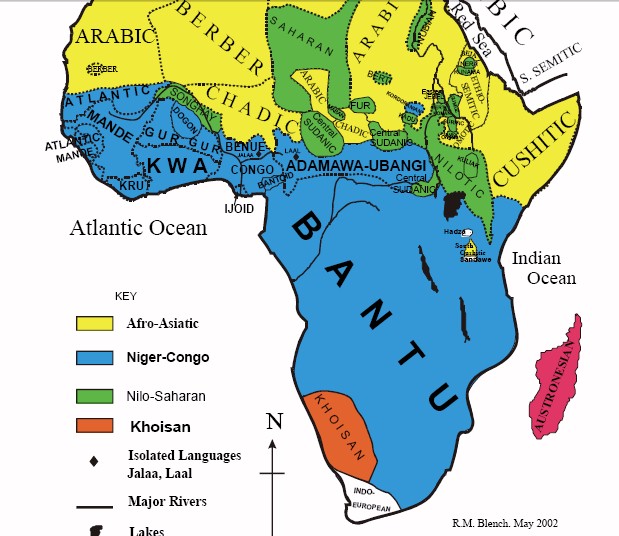
A History Of Technological Bantu Achievements
### Summary
The video explores the technological achievements of Bantu peoples, debunking myths of their primitiveness and highlighting their innovations in agriculture, ceramics, iron production, and architecture.
### Highlights
- 🌍 African history is often misrepresented by non-Africans.
- 📜 Bantu peoples share a Proto Bantu culture and language.
- 🌱 Bantu agricultural innovations transformed marginal soils into fertile land.
- 🍶 Bantu women invented ceramic technology long before the Middle East.
- 🔥 Bantu iron smelting techniques predated European advancements.
- 🏛️ Great Zimbabwe showcases impressive Bantu architectural achievements.
- ✊ Bantu achievements challenge the notion of African backwardness.
### Key Insights
- 📖 **Myth-Busting African History**: The narrative of African primitiveness has been perpetuated through colonial writings, which modern scholarship is actively deconstructing. This helps to restore dignity to African history.
- 🌐 **Bantu Expansion**: The Bantu migration over 5,000 years led to diverse cultures and languages across Africa, showcasing the complexity and adaptability of these peoples.
- 🌾 **Agricultural Advancements**: The introduction of soil fertility techniques by Bantu farmers allowed for higher population densities, leading to the establishment of organized societies and states.
- 🍵 **Ceramic Innovations**: Bantu women were pioneers in ceramic technology, demonstrating advanced craftsmanship that predates similar developments in other regions, highlighting their cultural significance.
- 🛠️ **Iron Technology**: Bantu iron smelting capabilities surpassed those of Europe for centuries, illustrating the advanced metallurgy that contributed to their societal development.
- 🏰 **Architectural Marvels**: The construction of Great Zimbabwe and other structures reflects sophisticated architectural knowledge and skills, defying colonial views of African capabilities.
- 💡 **Reframing African Narratives**: Acknowledging Bantu achievements emphasizes the importance of recognizing Africa's contributions to global civilization, challenging longstanding stereotypes.
Film Theory: Disney's Secret Archive of Dead Actors
Summary
Disney is exploring the use of deceased actors’ likenesses for future films, raising legal and ethical concerns about ownership and consent.
Highlights
🎥 Disney uses deep fake technology to revive deceased actors’ roles.
💰 The business of licensing dead celebrities’ images is booming.
👻 The right of publicity varies by state, affecting how dead actors can be used.
📈 Companies like Worldwide XR are creating libraries of deceased celebrities for licensing.
⚖️ Legal protections for deceased celebrities are complicated and evolving.
🧑⚖️ Marilyn Monroe’s trademark case highlights ongoing legal ambiguities.
💡 The potential for exploitation of dead celebrities raises ethical questions.
Key Insights
🎬 Reviving Careers: Disney’s digital resurrection of actors like Peter Cushing raises questions about the future of film and the ethical implications of using deceased actors’ likenesses. The nostalgia factor can be a powerful marketing tool.
🏛️ Rights and Ownership: The right of publicity allows estates to control the use of deceased celebrities’ images, but this varies by state and can lead to exploitation once those rights expire. Understanding these laws is crucial for filmmakers.
💼 Emerging Industry: The growth of companies specializing in licensing dead celebrities’ likenesses reveals a new economic model that could change how we perceive celebrity and legacy in media. It shows that the market for nostalgia is profitable.
⚖️ Legal Complexity: The distinction between image rights and copyright ownership complicates the use of deceased celebrities in media. This legal gray area could lead to future conflicts over usage rights.
🧑🎤 Marilyn Monroe’s Influence: Monroe’s trademark case underscores the need for clear legal frameworks around celebrity branding, especially as technology evolves. It points to a future where more celebrities may attempt to trademark their likenesses for protection.
📉 Ethical Dilemmas: The resurrection of deceased actors poses ethical concerns about consent and the integrity of their legacy. As technology improves, the moral implications will become increasingly significant.
🔮 Future of Cinema: With advancements in technology, the possibility of featuring digital recreations of celebrities in films raises questions about authenticity in storytelling and the potential for limitless casting options in the future.
Forbidden Knowledge: Why Book of Jubilees Was Banned!
The Book of Jubilees, deemed too controversial and banned from the mainstream Bible, reveals crucial details about creation, divine laws, and a cosmic calendar.
### Highlights
- 📜 The Book of Jubilees offers hidden insights into the Genesis narrative.
- 🌌 It emphasizes a divine solar calendar, contrasting with the lunar calendar used today.
- 👼 Angels play a vital role in governing time and delivering God's laws.
- ⚖️ Jubilees insists that following God's laws is essential to align with divine order.
- 🔄 The narrative includes a cosmic plan that predetermines events in Israel's history.
- 🕊️ The book portrays the Sabbath as an eternal law established since creation.
- 🌟 It connects the lives of the Patriarchs with heavenly commandments and cosmic significance.
### Key Insights
- 📖 **Cosmic Calendar**: The Book of Jubilees insists on a solar calendar of 364 days, claiming it to be the only divine structure for timekeeping. This calendar ensures that sacred observances align perfectly, highlighting the importance of following God's order to maintain spiritual integrity.
- 👁️ **Angelic Mediation**: Angels are portrayed as mediators of God's laws, teaching the Patriarchs about holiness and righteousness. This emphasizes the belief that divine knowledge was transmitted through heavenly beings, influencing human actions and decisions throughout biblical history.
- 🌍 **Divine Order in History**: The narrative suggests that all events, including Israel's trials and triumphs, were preordained and recorded on heavenly tablets, illustrating a cosmic plan that governs human history and destiny.
- ⏳ **Eternal Laws**: The Book of Jubilees presents God's commandments as eternal laws that transcend time and culture, implying that adherence to these divine principles is crucial for humanity's spiritual well-being.
- 🌱 **Sabbath Significance**: The Sabbath is depicted not merely as a day of rest but as a foundational cosmic principle established from creation, emphasizing its importance as a perpetual observance that connects humanity with divine time.
- ⚔️ **Spiritual Warfare**: The book introduces the concept of spiritual warfare, depicting angels and evil spirits as active participants in humanity's trials, suggesting that earthly struggles are reflections of larger cosmic battles between good and evil.
- 🌈 **Messianic Prophecy**: The Book of Jubilees lays out a prophetic vision of Israel's redemption and the establishment of a Messianic Kingdom, painting a picture of ultimate restoration and divine justice that aligns with the broader narrative of salvation history.
10 Biggest Evidence For Jesus Outside of the Bible
Summary
The video discusses ten significant non-Christian historical accounts of Jesus from various sources, affirming his existence and crucifixion.
Highlights
📜 Phallus (52 A.D.): Early secular writer noted darkness and an earthquake at Jesus’s crucifixion.
📚 Tacitus (56-120 A.D.): Historian confirmed Jesus’s crucifixion under Pontius Pilate and persecution of Christians.
🧠 Mara Bar-Serapion (70 A.D.): Described Jesus as a wise king, emphasizing his influence and persecution.
🌑 Flagon (80-240 A.D.): Mentioned the darkness at crucifixion and Jesus’s prophetic abilities.
✉️ Pliny the Younger (61-113 A.D.): Documented early Christians worshiping Jesus as God with a moral code.
🎭 Lucian of Samosata (115-200 A.D.): Satirist acknowledged the existence and worship of Jesus by Christians.
📖 Josephus (37-101 A.D.): Jewish historian depicted Jesus as a wise man and a teacher who was crucified.
Key Insights
🔍 Historical Validation: Non-Christian sources provide evidence supporting the historical existence of Jesus, highlighting his life and death.
⚖️ Multiple Perspectives: Different accounts, both hostile and favorable, contribute to a richer understanding of Jesus’s impact on history and culture.
🕊️ Cultural Relevance: The references to Jesus by various writers indicate his significant role in shaping early Christian thought and practices.
🏛️ Political Context: Accounts like Tacitus’s illustrate the socio-political tensions of the time and the scapegoating of Christians.
📖 Miracles and Teachings: Writers like Celsus acknowledged Jesus’s miraculous works, affirming his influence on followers despite criticisms.
✝️ Religious Opposition: The Jewish Talmud and the Toldot Yeshu reflect the religious conflicts of the time, showing both acknowledgment of Jesus’s existence and opposition to his claims.
🗣️ Legacy of Jesus: The survival of these accounts indicates the lasting legacy of Jesus, influencing both religious and secular discourse throughout history.
Why is Billy Carson HIDING this VIDEO from YOU ??? @WesHuff
Check out a reaction video to an online debate. Billy Carson got wrecked.
Quote of the Day: Malcolm X

"When we send our children to school, they learn nothing about us other than we used to be cotton pickers. Why, your grandfather was Nat Turner; your grandfather was Toussaint L'Ouverture; your grandfather was Hannibal. It was your grandfather's hands who forged civilization and pic.twitter.com/stMYxV5WT1
— Kentah Gwanjez (@GWANJEZ) December 16, 2024
Even Our Maps Are Racist
In the Western world the desire to make people believe that Europeans are more important and more powerful and just better than the rest of the world, especially Africa, most map projection that we see are intended to make Africa to appear smaller than it really is but make Europe, Russia, and Austrialia larger than they really are relative to other parts of the world.
Comparison of Russia and Africa 🤯 pic.twitter.com/SG2oUZm95n
— Mark Stevenson (World History) (@Xworld_historyX) December 4, 2024
How are the actual sizes of the countries?pic.twitter.com/xCFddL8npy
— চ্যাটার্জি (@sanc_off) December 4, 2024
Data Terms Explanations
Data terms explained.
— Gabby (@thenaijacarguy) December 3, 2024
Learn Data engineering here: https://t.co/e0BuqEuR0p pic.twitter.com/GkEwlg2Vc5
Wednesday, December 4, 2024
American Slavery in Mexican History
Mexico abolished slavery in 1829. Enslaved people were escaping to Mexico. The U.S. tried to get Mexico to sign a fugitive slave treaty to return escapees but Mexico refused to sign such a treaty, insisting that enslaved people were free once they set foot on Mexican soil.
— AFRICAN & BLACK HISTORY (@AfricanArchives) December 1, 2024
—Did… pic.twitter.com/LPlCTDbm5a
Quote of the Day: Muammar Gaddafi
"They will create the viruses themselves and sell you the antidotes. Thereafter, they will pretend to take time to find the solution when they already have it." ~ Muammar Gaddafi
— African Hub (@AfricanHub_) December 3, 2024
Your comments on this pic.twitter.com/PwnNY7SewO
Data Science - Using R to do Gene Expression Matrix

1. Gene expression matrix: pic.twitter.com/oFMUnNP5Xn
— 🔥 Matt Dancho (Business Science) 🔥 (@mdancho84) December 2, 2024
BBQ: Tool Against Haiti
Be wary of outsiders trying to sell BBQ as a Haitian revolutionary. Through their racism, they are in fact telling you that Jean-Jacques Dessalines was nothing more than a criminal killer gangster also, and that is how they think of Haitians in general.
— Jean Jacques Dessalines 🇭🇹🇵🇸🇳🇪🇲🇱🇧🇫🇨🇺 (@JeanJacquesDes7) December 4, 2024
🎥 zoedaypost pic.twitter.com/E22ZmaFlFr
AI Agents
Understanding AI agents will be one of the most valuable skills in 2025.
— Nikki Siapno (@NikkiSiapno) December 3, 2024
Here’s what you need to know:
AI agents are broader systems that leverage LLMs.
They’re beginning to reshape the way we build applications, automate workflows, enhance data processing, and more.
Why… pic.twitter.com/YvTQVi1pHR
Quote of the DAY: Thomas Sankara
"Never be ashamed of being African." pic.twitter.com/UZ2HF5U7yL— Kentah Gwanjez (@GWANJEZ) December 3, 2024

Chatbots and AI Agents - What's the Difference?
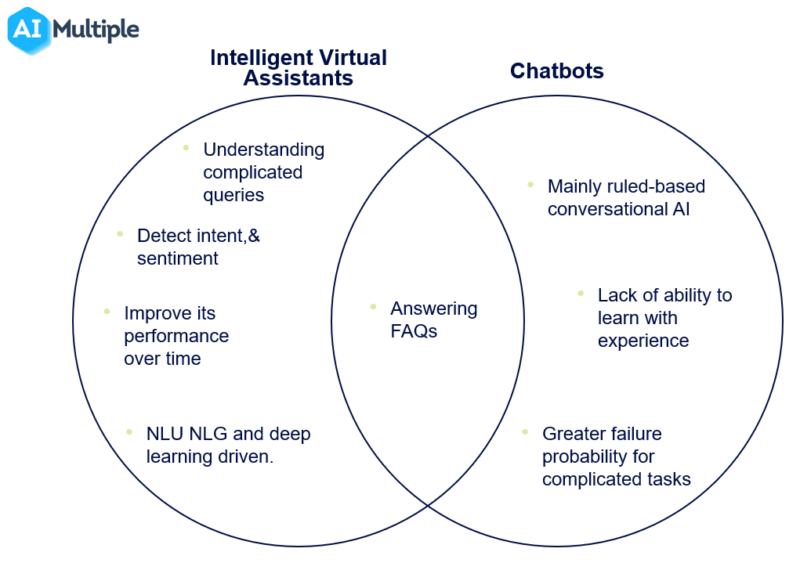
AI chatbots are like the friendly customer service reps of the digital world, handling basic tasks and inquiries with pre-programmed responses. They're great for straightforward queries but struggle with anything outside the script. Think of them as the entry-level employees of the AI world.
AI agents, on the other hand, are like your personal assistants. They can learn, adapt, and handle more complex tasks, from managing schedules to giving insights. A bit like having a smart executive assistant at your disposal.
For chatbots, the pros are their simplicity and cost-effectiveness. But they can be frustrating when dealing with nuanced issues or more complex queries. AI agents carry a bigger brain, making them more versatile and able to deliver a more personalized experience. But they're more complex and expensive to develop and maintain.
Best practices? For chatbots, keep it simple; define clear use cases and manage expectations. For AI agents, invest in continuous learning and ensure they can handle privacy and data securely.
To get started, think about what problems you're trying to solve. If it’s basic customer service tasks, a chatbot may be the ticket. But if you need something more advanced that can adapt and learn, an AI agent is the way to go.
Tuesday, December 3, 2024
THE BEST Kept Secrets of African Heroes Not Taught In Schools!
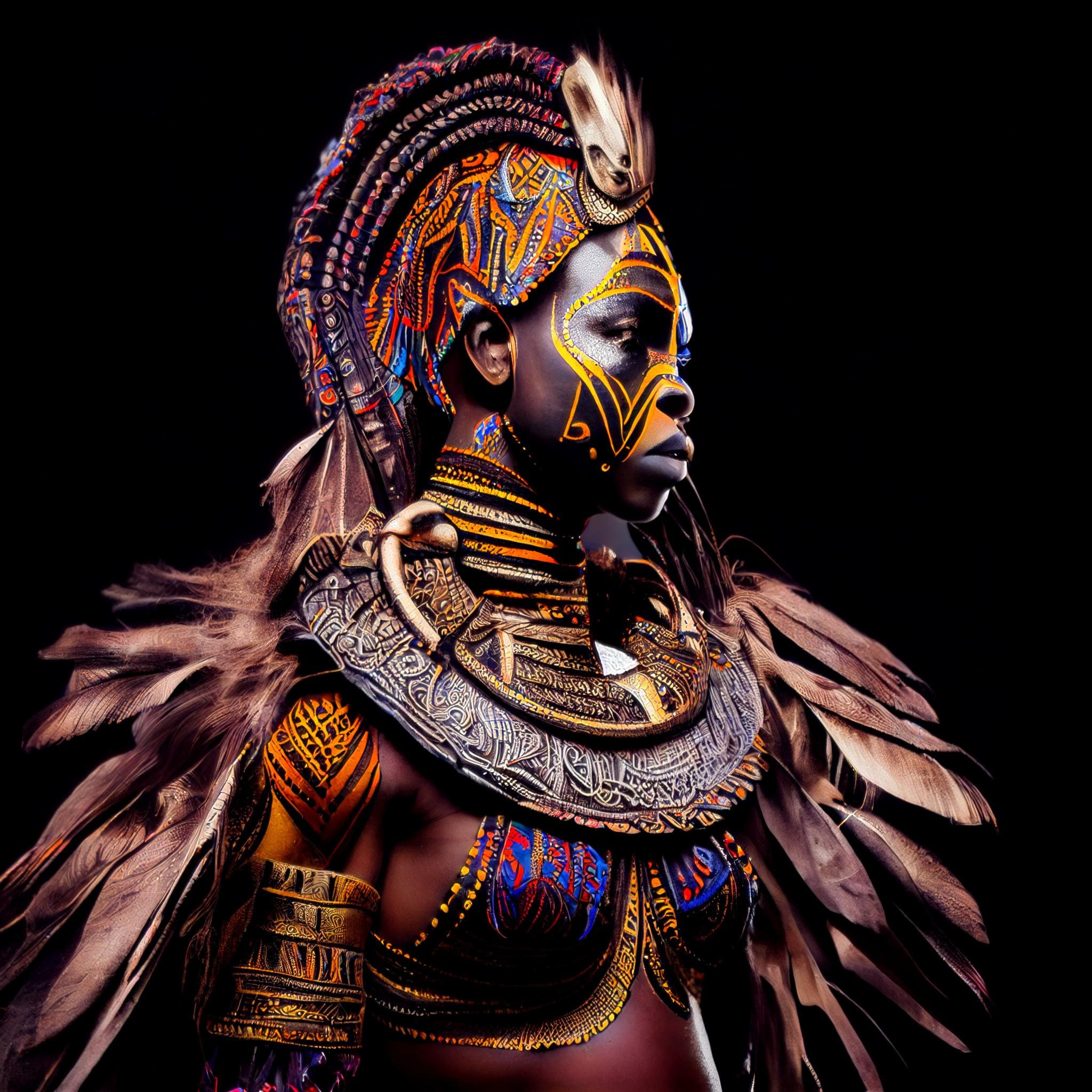
Summary
Explore Africa’s unsung heroes whose remarkable stories of resilience and sacrifice have shaped history, yet remain largely untaught in schools.
Highlights
🌍 Africa’s rich history is filled with unsung heroes whose stories deserve recognition.
✊ Figures like Amílcar Cabral and Queen Amanirena exemplify resilience and leadership.
📚 Their contributions to liberation movements and social justice are often overlooked in education.
🗣️ Celebrating these heroes challenges dominant narratives and stereotypes.
🔥 Their legacies inspire future generations to pursue justice and equality.
💡 The stories serve as powerful lessons in courage and perseverance.
🎥 This video aims to reclaim Africa’s rightful place in world history.
Key Insights
🌟 Resilience in Struggle: African heroes faced immense challenges yet remained committed to their causes, showcasing the power of resilience in the fight for justice.
🏛️ Cultural Contributions: Leaders like Aílcar Cabral and Hatchepsut not only fought for liberation but also enriched their cultures, emphasizing the importance of cultural identity in resistance movements.
🔍 Historical Erasure: The marginalization of African narratives in education highlights the need for a more inclusive historical perspective that recognizes diverse contributions.
🌱 Legacy of Inspiration: The sacrifices of these heroes serve as a beacon for future leaders, motivating them to continue the fight for freedom and equality.
📖 Educational Gaps: By addressing the lack of awareness about these heroes, we can foster a deeper understanding of Africa’s role in global history.
✊ Empowerment Through Knowledge: Highlighting these stories empowers individuals and communities, reinforcing the idea that every voice matters in the quest for justice.
🌈 Unity in Diversity: Celebrating African heroes underscores the continent’s rich tapestry of cultures and histories, promoting unity and understanding among diverse groups.
The Moors
The Moors were Africans who ushered Europe out of the Dark Ages, they are being depicted in several status and paintings. pic.twitter.com/6d2huQup1s
— Typical African (@Joe__Bassey) December 2, 2024
Quote of the Day: Muammar Gaddafi
"Even if there comes a time when you do not hear my voice, do not give up. Do not despair. Do not stop fighting for your freedom until you have victory" ~ Muammar Gaddafi pic.twitter.com/BpJkoggaYP
— Zoom Afrika (@zoomafrika1) December 2, 2024
Monday, December 2, 2024

Quote of the Day: Richard Feynman
If you think you understand quantum mechanics, you don’t understand quantum mechanics.
- R. Feynman— Physics In History (@PhysInHistory) December 2, 2024

The Terrifying Hyena Bear of Kenya - Nandi Bear - African Creatures

Summary
The Nandi Bear, a terrifying creature of Kenyan folklore, is a ruthless predator that embodies fear and preys on the souls of its victims.
Highlights
🌌 Deep in Kenyan forests, the Nandi people recount tales of a fearsome creature.
🌕 Known as the Nandi Bear, it hunts under the cloak of moonlight.
🐻 Resembling a giant bear and hyena, it has dark fur and ember-like eyes.
🦷 Its sharp fangs and claws tear through flesh with terrifying ease.
😱 The creature’s gurgling roar paralyzes its victims with fear.
🧠 Rumored to have an appetite for human brains, it devours souls.
⚰️ Survivors are left scarred, haunted by memories of their encounter.
Key Insights
🌲 Cultural Significance: The Nandi Bear symbolizes ancestral fears within the Nandi community, reflecting deep-seated anxieties about the unknown. This creature serves as a cautionary tale for safety in the wilderness.
🌜 **Predatory
Sunday, December 1, 2024
Top 100 Superheroes of All Time
Summary
A countdown of the top 100 superheroes highlights their powers, storylines, and popularity, showcasing diverse characters from comics.
Highlights
🌂 Umbrella Academy: A dysfunctional family of superheroes navigating time and identity.
💥 Peacemaker: A controversial hero enforcing his own brand of justice through extreme measures.
🐴 Valkyrie: A powerful warrior from Asgard known for her combat skills and leadership.
❄️ Iceman: A young mutant who balances his ice powers with his LGBTQIA+ identity.
🦸♀️ Jessica Jones: A street-smart detective with super strength, tackling personal demons and crime.
🎭 Deadpool: A humorous anti-hero who breaks the fourth wall while delivering chaotic justice.
🦇 Batman: The iconic Dark Knight representing the pinnacle of heroism with a complex moral code.
Key Insights
🌟 Diverse Origins: Superheroes like the Umbrella Academy and Peacemaker show how characters can emerge from unconventional backgrounds, blending humor with serious themes.
⚔️ Moral Complexity: Characters like Peacemaker and Punisher illustrate the blurred lines of heroism, showcasing that not all heroes operate within a strict moral framework.
🦸♂️ Empowerment Through Identity: Heroes like Iceman and Jessica Jones highlight the importance of self-acceptance and representation, resonating with diverse audiences.
🌪️ Power and Responsibility: Spider-Man and Superman embody the classic hero’s journey, emphasizing that great power comes with the responsibility to protect others.
💔 Family Dynamics: Teams like the Umbrella Academy and Doom Patrol explore themes of family and belonging, showcasing that heroism often stems from personal relationships.
🕶️ Cultural Impact: Icons like Wonder Woman and Black Panther have transcended their comic roots, becoming symbols of empowerment and representation in broader society.
🦸 Enduring Popularity: The timeless appeal of characters like Batman and Marvel’s first family, the Fantastic Four, shows that well-crafted heroes resonate across generations.
Saturday, November 30, 2024
Exegete This: Proverbs 16:3
.jpg)
This is part of a blog series that I like to call "Exegete This". In this series I will be publishing both in which I will pick Biblical verses and passages and pull as much information and meaning out of them as possible for me at the time of posting. I invite you on this journey and if have a suggestion to work on please send it to me. If you have a disagreement or want to add more thoughts and information please comment.
Today's Scripture is: Proverbs 16:3
King James Version
Commit thy works unto the LORD, and thy thoughts shall be established.
New International Version
Commit to the LORD whatever you do, and he will establish your plans.
Interlinear
| 1556 [e] 3 gōl 3
| ||||
| 413 [e] ’el- אֶל־ to Prep |
| 、 | 3068 [e] Yah·weh יְהוָ֣ה Yahweh N‑proper‑ms |
| 4639 [e] ma·‘ă·śe·ḵā; מַעֲשֶׂ֑יךָ your works N‑mpc | 2ms |
| 3559 [e] wə·yik·kō·nū, וְ֝יִכֹּ֗נוּ and will be established Conj‑w | V‑Nifal‑ConjImperf‑3mp |
| . | 4284 [e] maḥ·šə·ḇō·ṯe·ḵā. מַחְשְׁבֹתֶֽיךָ׃ your thoughts N‑fpc | 2ms |
To start with, I want to remind the reader that one reads Hebrew from right to left. That said, I have always thought that I understood this scripture. I thought that was all being communicated was that if you put God first in your life, God will make yo ur plans and thoughts come true. But let us see if there is more to get into. First what does the Hebrew wordgets translated "Commit" really mean? Transliterating the word to "gōl" and Strong Number 1556 and is found in the Bible two other times Psalm 22:8 and Psalm 37:5. It is used to convey the idea of rolling something away. The word translated "your works" or "Whatever you do" is from מַעֲשֶׂ֑יךָ and Strong's Number 4639. This word mean work but specifies good works for God. The word translated "and will be established" is וְ֝יִכֹּ֗נוּ which has Strong's number 3559 and means "To establish, prepare, make firm, set up, fix, direct" and conveys that God is doing the set up and direction. The word translated "thoughts" or "plans" is מַחְשְׁבֹתֶֽיךָ׃ and has Strong's number 4284 meaning "Thought, plan, purpose, device, intention". So taking all this together shows us that it those thoughts and plans that coincide with God's purpose and goals are the things that God causes to come to fruitation. So what is our part? Our part is to be commited to God. Making his goals our goals.
Friday, November 29, 2024
Thursday, November 28, 2024
When was Eve Created?

On Corey Minor's YouTube channel he reacted to a clip of a sermon given at the 2024 Holy Convocation of the Church of God In Christ (COGIC). I have been in the church all my life and I have never heard of such a terrible heresy over a pulpit before in my life. I agree with Corey. The Bible categorically says Adam was created first and then Eve (see 1 Timothy 2:13-14). Some comments on the video need to be brought up.
His name is Bishop Jerry Maynard a general board member and the bishop of Tennessee 4th jurisdiction. For a man who is very theologically educated, an elder in age (in his 80s) and has been in the pulpit for decades you would have thought he would know better. SMH - @keepingitrealandtruthful.5081
I did not recognize him. I do not even know the General Board that much so I appreciated this comment. But what I do not understand is why I he would take this fringe position.
Another comment actually defended this craziness:
Hi, with all due respect, the Bishop was correct. This is one of God's mysteries we need the help of Holy Spirit to unravel. The first Man (Adam) possessed all features of Male and Female. What God did in Gen, 2 was separation of male and female but God has to put Adam in DEEP SLEEP before He could operate on Man. Remember Man was made in God's image and likeness, that's Man is capable of remembering events. So God turned off Man's memory so that the operation of separation on Man can never be reversed. I know this is deep, but with the help of Holy Spirit. Think of it, Doctors apply the same principles before operating on Man bcos Man's memory is capable of repeating scene/event playing RAMBO. This is one of deep things of God, but Bishop was correct. -@samuelagunsoye3594
Nope. Nada. Facepalm. There is a Greek myth that describes the first person in this way and has been trotted out at times to defend transgender identity. But do you know where you won't find this teaching? The Bible. And Bishop Maynard was not trying to refer to this at all.
One last comment I wanted to highlight. This one attempts to prove Bishop right that Adam & Eve were created at the same time. Several people tried it.
Genesis 5:1-2 This is the book of the generations of Adam. In the day that God created man, in the likeness of God made he him; Male and female created he them; and blessed them, and called their name Adam, in the day when they were created.
Does not work because because it is just doing the same thing Genesis 1:26 does: a summary. Twins and multiple birth siblings are born on the same day but not simultaneously. If Bishop Maynard is indeed referring to Jewish tradition I think it is coming from the medieval Jewish tradition from some fringes that supposes that Genesis Chapter 1 and Chapter 2 are referriing to two separate events instead of Chapte 1 being a general summary and Chapter 2 being a more detailed about the 6th day. He would have been exposed to such an idea in many Seminaries around the world. However the tradition of Historic Christianity (Protestant, Roman Catholic, Greek Orthodox, Russian Orthodox, Ethiopian), Judaism, and Islam all hold that Adam was created first and then Eve.
If Maynard was referring to the the Medieval Jewish thought that Genesis 1 and 2 are talking about two separate events, he neglected to take the idea as far as they did. They go on to postulate Adam having a first wife named Lilith in Genesis 1 and Eve being his 2nd wife in Genesis 2. They conflate a Babylonian myth wand mix it into the story to explain why Adam needed a second wife because Lilith refused to submit to him because she cited that she was coequal. By submission they meant that when they had sex she refused to let him always be on top. So she left him and became the mother of all demons. Some people do like to try to put her in other parts of the Bible and even tie Succubi and Incubi demons as her offspring. It gets crazy and no Biblical basis. I can find no ancient example for this. Meaning I do not think any Jew living in Jesus' time would recognize this. But during the medieval period this story was the inspiration of wearing certain amulets to keep Lilith and her children away. In effect, Lilith is often identified as the first Vampire. I can see why Bishop did not go that far in his sermon.
Wednesday, November 27, 2024
Responsibility vs Accountability: Where is your Free Will Now?

In our society, Free Will is considered almost sacred. People get very angry suggesting that we are not in some way control of our destiny. Our society tells the poor that if they choose to have more and work harder they can raise their station in life. But if you know the challenges of living in our society you know that there is more to life than just your own choices. We put the responsibility for the well-being and opportunities and outcomes of people's lifes on people. I think it is for society to avoid accountability to leave behind people instead of helping everyone thrive and share in the wealth of America. So here is the question: What does scripture say about how your Free Will affects your fate in life? As a Christian, I want to make a distinction between salvation and living life when discussing Free Will. First I will discuss our Free Will in salvation and in living life. "Free Will" is not specifically in the Bible but throughout the Bible but there is a lot about the will of God and the will of individual people. Face it. More times than not your will or my will runs counter to God's Will. When this inevetiability occurs, whose will wins out? Yours? Ours? God's? Obviously, God's will overshadows and shapes reality. We want this. This is best. How could God's will not be best for you? If someone does not like me or hate me, why would I want their will to shape my reality rather than God? I want God's will to shape my life because he knows what is best for me. Let's look at multiple passages to see how scripture handles "will".
In Hebrew, the word "will" conveys the idea of "choosing" or making a "decision" is "חָפֵץ" (chaphets). You can see this word (Strong's 2654) used in Ezekiel 18:23. The NIV renders חָפֵץ as "taking pleasure"
Do I take any pleasure in the death of the wicked? declares the Sovereign LORD. Rather, am I not pleased when they turn from their ways and live?
However the Douay-Rheims Bible translates the verse, thusly:
Is it my will that a sinner should die, saith the Lord God, and not that he should be converted from his ways, and live?
The verse is God talking through the prophet Ezekiel telling us that God is not happy when people are destroyed in their sins. Does God want or desire or choose to destroy sinners instead of them repenting? This verse tells us that is not what God likes to do. This Hebrew word conveys emotion and desire not just choice.
Here is a Greek example. In Biblical Greek, there are two words "θέλημα"(thelēma) and "βουλή" (boulē) that get tranlated into "desire", "want", or "purpose" throughout the English translation of the New Testament. The Bible does not tweet the two words as interchangeable. It is interesting to see how it is used. Let's look at four examples. "θέλημα" (Strong's number 2307) is in the following passages as "will" in the NIV:
your kingdom come, your will be done, on earth as it is in heaven. Matthew 6:10
Do not conform to the pattern of this world, but be transformed by the renewing of your mind. Then you will be able to test and approve what God’s will is—his good, pleasing and perfect will. Romans 12:2
Yet to all who did receive him, to those who believed in his name, he gave the right to become children of God— children born not of natural descent, nor of human decision or a husband’s will, but born of God. John 1:12,13
Each of the passages above translates "[βουλή]" as "will" but in John 1:13 the word "θέλημα" is used twice as "human decision" or "human desire" in its first appearance in the verse and "will" in the second. So what of "βουλή" (Strong Number 1012)? Let us look at a couple of examples.
This man was handed over to you by God's deliberate plan[βουλή] and foreknowledge; and you, with the help of wicked men, put him to death by nailing him to the cross. Acts 2:23
50Now there was a man named Joseph, a member of the Council, a good and upright man, 51who had not consented to their decision[βουλή] and action. He came from the Judean town of Arimathea, and he himself was waiting for the kingdom of God. Luke 23:50,51
In both cases, βουλή is carrying out the idea of a plan or decision. Yet βουλή and θέλημα are not interchangeable. I wanted a concise distinction. I prompted Microsoft Copilot about the distinction so now I get:
Great question! In Greek, both **"θέλημα" (thelēma)** and **"βουλή" (boulē)** relate to the concept of will, but they have distinct nuances:
**θέλημα (thelēma)**:
- This word generally means "will," "desire," or "purpose."
- It often emphasizes a personal or intentional desire, sometimes divine will.
- Example: **Matthew 6:10** - "Thy kingdom come, Thy will (thelēma) be done on earth as it is in heaven."
**βουλή (boulē)**:
- This term usually means "counsel," "plan," or "intention."
- It can refer to a more deliberate, considered decision or plan, often used in the context of divine or human counsel.
- Example: **Acts 2:23** - "Him, being delivered by the determined counsel (boulē) and foreknowledge of God, ye have taken, and by wicked hands have crucified and slain."
In summary, **"thelēma"** tends to denote a will or desire, while **"boulē"** implies a planned, thoughtful decision or counsel. These distinctions help us understand the depth of intent and purpose in biblical contexts.
So why does this matter? It comes down to salvation. Does God desire and purpose to save us or does God have just a plan and an intention to save us. If it is just a plan and not concrete extension of his will it would change the interpretation of many scriptures. Here are two more examples:
The Lord is not slow in keeping his promise, as some understand slowness. Instead he is patient with you, not wanting[βουλή] anyone to perish, but everyone to come to repentance. 2 Peter 3:9
I think the distinction matters in this verse. Does God thoughtfully decides for people to perish? Or does God not desire for people to perish? In this case βουλή is in this verse. God is not telling us that he is not happy and not desiring sinners to die in their sins. If Peter had used "θέλημα" would we need to change the way the verse should be translated into English? I think so. θέλημα brings with it a more hands-on drive to bring what is desired into place. What I am getting at if God does not want something liked people perishing in their sin,why does it still happen? If Peter have used "θέλημα", I think Peter would not be allowing space for the fact that people will perish but it is not the fault of God's.
Shocking 5000 Year Old Secret ✨ What Did Adam And Eve Really Eat?
This video does a good job in summarizing the theology that the fruit Adam and Eve ate was symbolic of sex. The video does not go as far as some say that the Eve had sex with Lucifer in the garden and that was what the fruit was and not really a fruit. I think the video is correct that sex was not prohibited when God created Adam and Eve. God told them to be fruitful and multiply before and after the fall. What do you think?
Tuesday, November 26, 2024
"Distracted Boy" Meme


There are websites that lets you make your own versions for free. One of my favorites is imgflip. Of course now it is 2024 and we have generated AI tools that can take a still photo and realistically animate a video that runs 25 frames per second (fps). Below is an example I got from indy100.com where Stablility AI's Stable Video tool was used to animate the meme. It is surreal.
AI can turn meme images into videos now:pic.twitter.com/GBnlXkzVaV
— Know Your Meme (@knowyourmeme) November 27, 2023
Fortunately, there has been code to generate such videos yourself. Here is the link to the GitHub project. By far, my favorite use of editing this meme is the following.
AI is getting out of hand😂
— Min Choi (@minchoi) October 15, 2024
1. Let's fight pic.twitter.com/oZf1z7XT19
The Secret of the Serpent in Genesis: What the Hebrew Text Reveals Will ...
This video summarizes the theory that the serpent in Garden of Eden told about in the Book of Genesis was not really a snake but a fallen angel - Lucifer. What do you think? The video leaves a lot of questions in the air. Was the fallen angel in the form of a snake? What did Eve see what was talking to her? Some people even assume that all animals talked to Adam and Eve to explain why Eve wasn't concerned about a snake talking to her. The way I understand the passage is that what destroyed human relationship with God was the fact of their disobedience and not just the fruit they ate.
Subscribe to:
Posts (Atom)